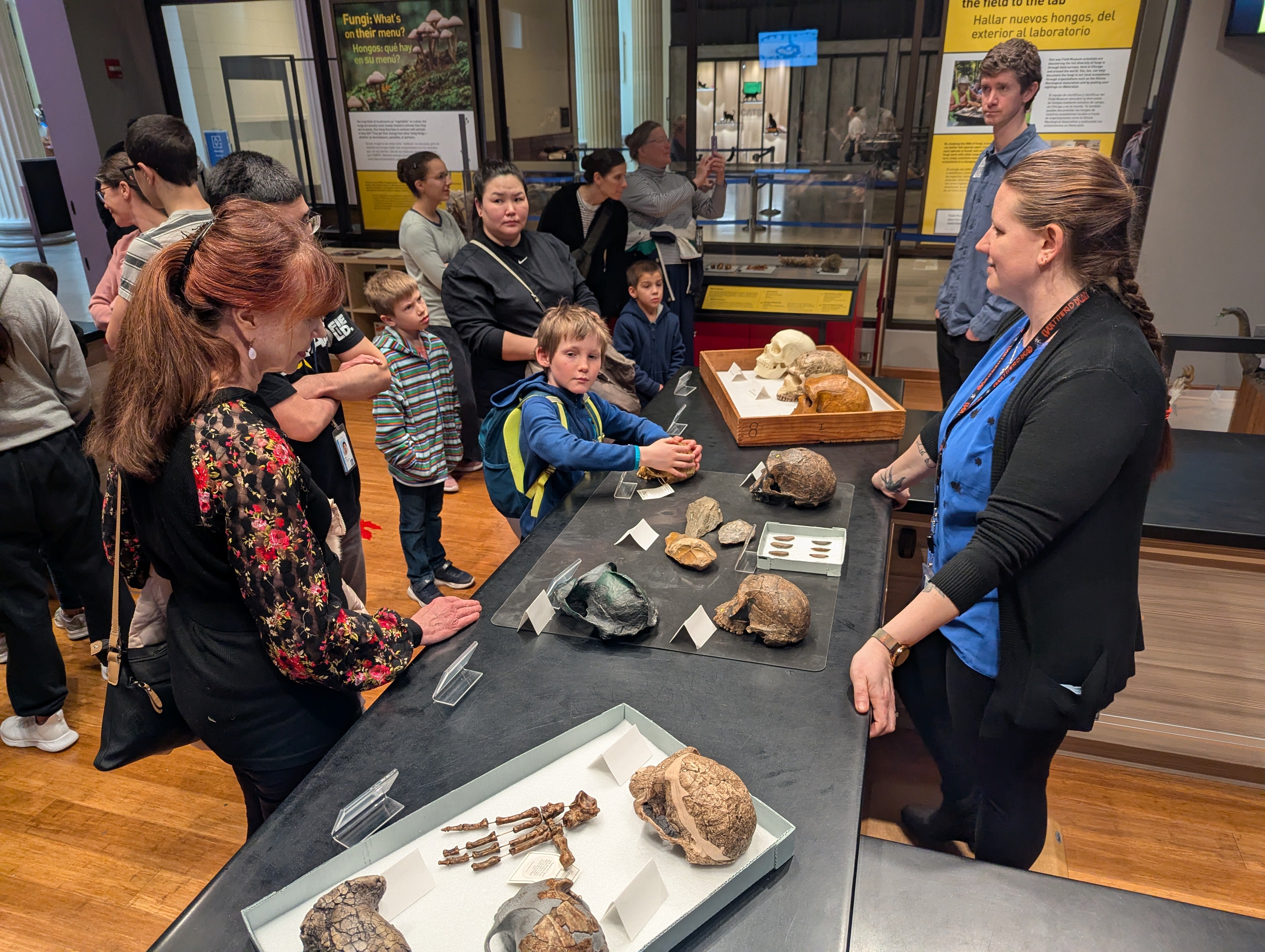
Dr. Sara E. Watson works at the intersection of paleoanthropology and archaeology, using the insights from evolutionary and ecological theory to assess the role social networks played in the emergence and spread of behavioral innovations characteristic of our species.
She engages broadly with scholarship on hominin evolution, behavioral ecology, and cultural transmission theory and employs lithic technology, geospatial analysis, experimental archaeology, and ethnographic data on modern-day hunter-gatherer societies to address the transmission of cultural information during the late Pleistocene (~126,000-11,700 years ago). Examining potential changes in the processes through which people in the late Pleistocene obtained and transmitted cultural information, such as specific tool production methods, holds global implications for understanding how the degree of social network size and strength allowed human populations to prosper during changing climatic conditions and when entering unexplored territories during migrations out of Africa to colonize the rest of the world. Dr. Watson’s research advances our understanding of human behavioral evolution and the emergence of innovations that contributed to the success and global spread of our species.
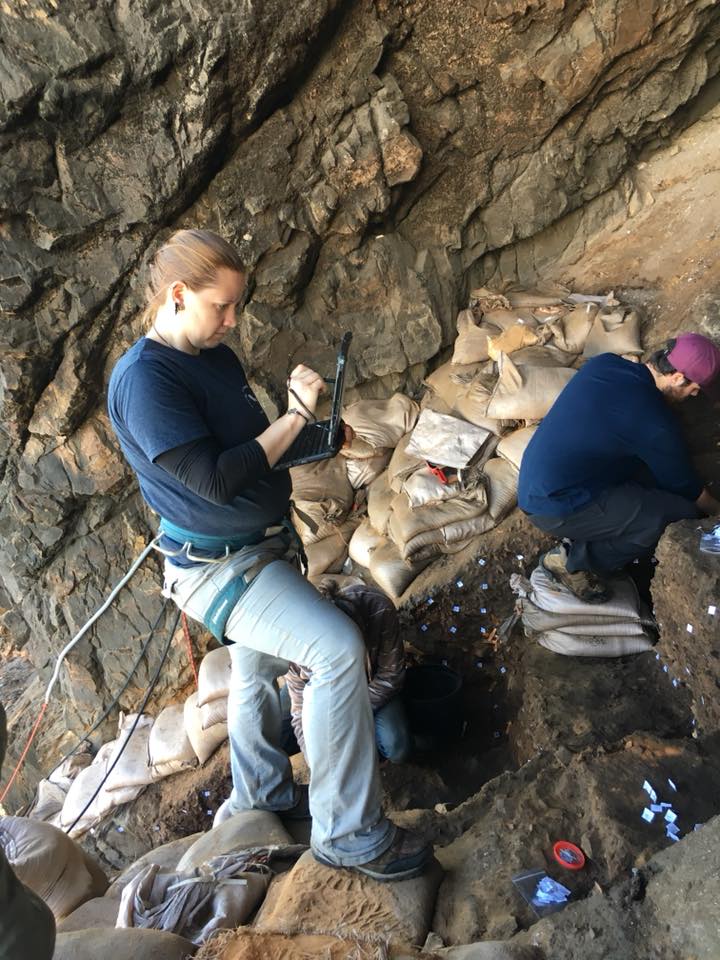
Dr. Watson maintains an international research agenda, with field and collections-based projects in South Africa, Zimbabwe, Kenya, Cameroon, and the Field Museum of Natural History in Chicago. Interested students should contact her for research opportunities.